
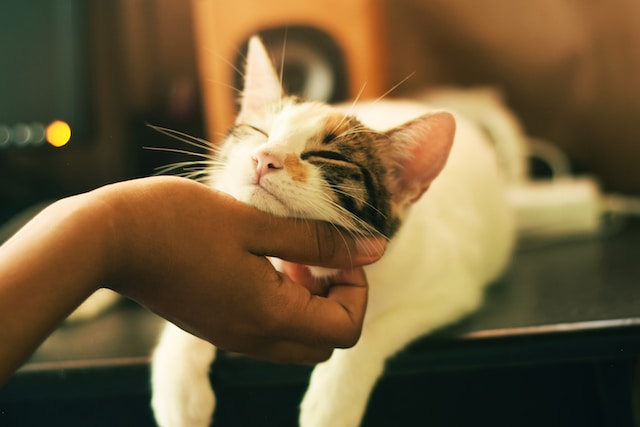
For a pet parent, losing a beloved pet can carry the same weight of grief as losing someone close to them. Our pets are, after all, members of our family. So, while your non-pet owning friends might think you’re being a little dramatic with your sorrow, it’s important for you to understand that your grief is totally normal and nothing to be embarrassed about. Everyone grieves differently, so don’t let anyone tell you how to mourn the loss of your pet.
But that said, knowing how to cope with the loss of a pet in a healthy way is important, not only for your own health, but also for the sake of your other pets. Here are some tips that can help you cope with the death of a pet that you spent so much time loving and caring for.
#1: Acknowledge Your Grief
The worst thing you can do after losing a pet is to try and act like the loss doesn’t bother you. This will only delay the healing process. Acknowledge your grief and give yourself permission to express it in whatever way you want. Cry when you feel like you need to cry.
#2: Focus on Your Pet’s Life, Not Her Death
When we lose people close to us, one of the best ways to come to grips with their passing is to celebrate their life instead of ruminating over their death. This can also help you heal after losing a pet. Try not to replay the last moments you had with your pet. Don’t focus on the pain and trauma she went through in her final days, instead, remember the life you shared with her. Look back and enjoy the memories you made with your pet. While she may no longer be with you, your memories of your life with her will remain.
#3: Hold a Memorial for Your Pet
One way we celebrate the lives of those we lost is by holding memorials for them, so performing a bereavement ritual can likewise help you on your healing journey after losing your pet. There are several different ways you can memorialize your pet, including but not limited to:
- Creating a memory box with her collar, name tag, and favorite toy
- Spreading her ashes somewhere special, or keeping her ashes in a reserved place in your home
- Planting a tree or shrub in memory of your pet
- Researching culturally specific ways of honoring the loss of a pet
- Writing a letter of everything you would want to say to your pet if you had one more day with her
- Writing an obituary for your pet
- Share a post on social media honoring your beloved pet
#4: Find a Support Group
There are more people in the world like you than you realize. So, if you feel the need to reach out to others who can lend a sympathetic ear, then there are a wide range of options available. Doing a simple online search will provide you with hundreds of resources and support groups that may be helpful to you. Some popular options include:
- Laps of Love
- Everlife Support Groups
- The Pet Compassion Careline
- Association for Pet Loss and Bereavement
- Rainbow’s Bridge Grief Support Center
You can also ask if your place of worship offers bereavement support for pet loss if you belong to a congregation.
How to Help Children Cope With the Loss of a Pet
For most children, losing a pet is their first experience with death. While you might think that you are protecting your child by telling them that their pet “ran away,” you are really doing a disservice to them because you are taking away their opportunity to work through their grief in a more emotionally healthy way. They may even wind up resenting you or feel betrayed once they discover the truth later on.
When a child experiences the loss of a pet, it can be normal for them to feel guilty, depressed, or even frightened that they will lose others that they love. By allowing yourself to grieve in front of your child will help them feel more comfortable expressing their own grief. Reassure your child that it is okay for them to feel sad and help them work through their feelings.
Children are more resilient than most adults realize. So, allowing your child to participate in any age-appropriate grief rituals alongside you will not only help them focus on their happy memories of their pet, but it can also greatly help in their own healing process.
